
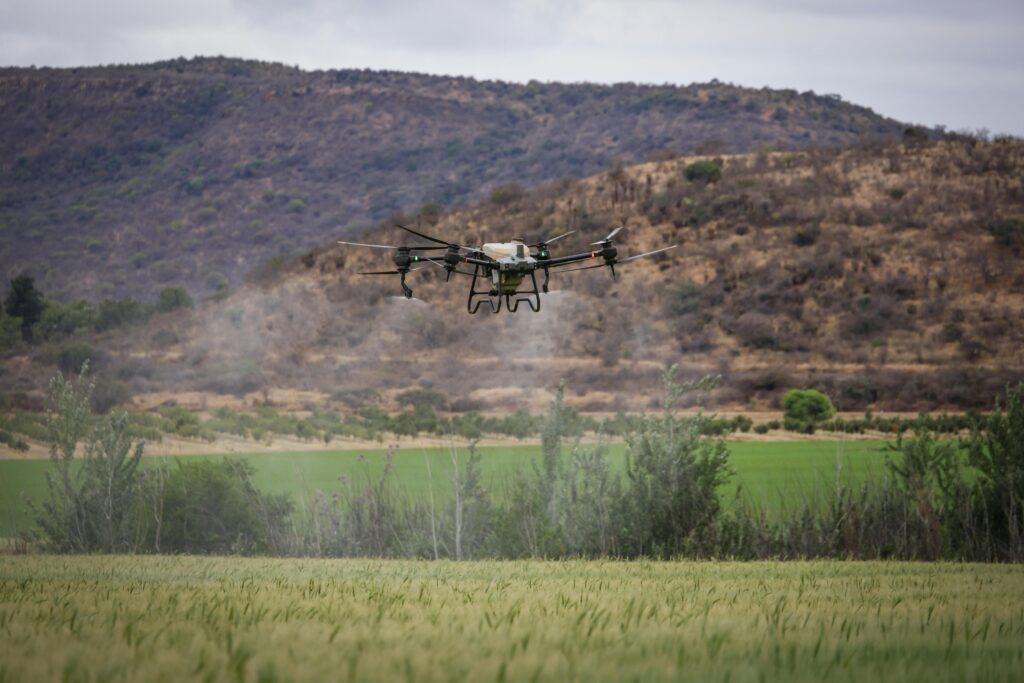
Precision Farming: IoT Sensors, Agricultural Drones, and Data-Driven Agriculture
Precision farming transforms agriculture into an environmental monitoring system. By combining IoT sensors, drones, remote sensing, geospatial analytics, and decision-support tools, farmers can observe soil moisture, crop stress, nutrient variability, irrigation needs, and field conditions with far greater precision than fixed schedules or broad averages allow. This article examines precision farming as more than a farm-technology upgrade: it is a new data infrastructure for food systems, water stewardship, soil health, and climate adaptation. It argues that sensors and drones are most valuable when they strengthen farmer judgment, reduce waste, improve input efficiency, and support sustainable decision-making. But precision agriculture also raises questions of data ownership, platform dependency, equity, interoperability, and governance. Its future depends on whether digital agriculture is designed for resilience, transparency, and ecological responsibility.