Inequality and Inclusive Development
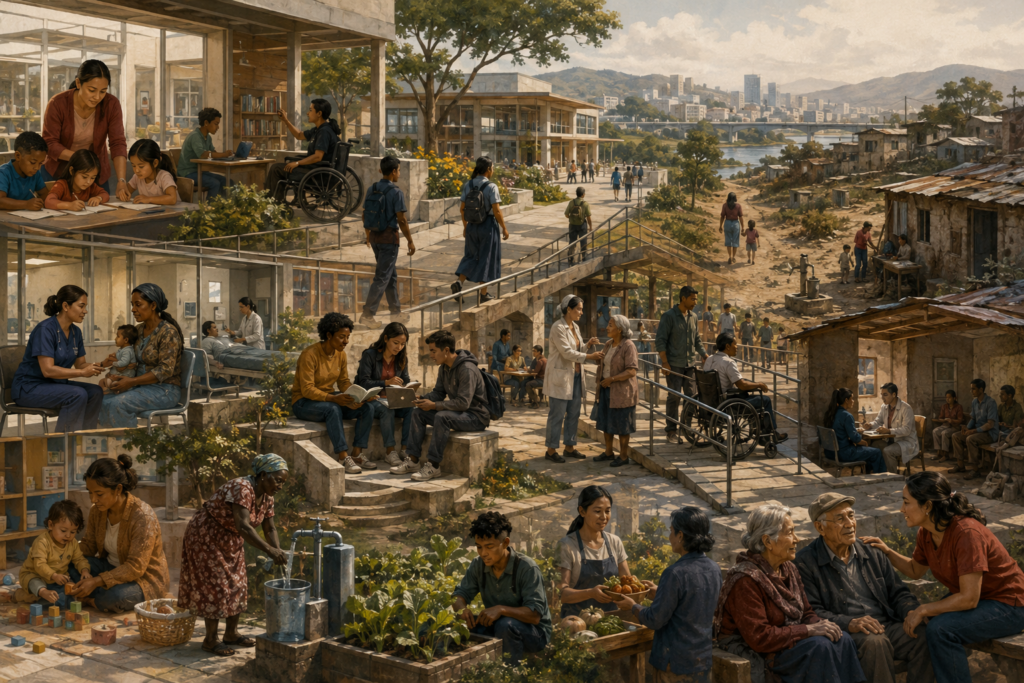
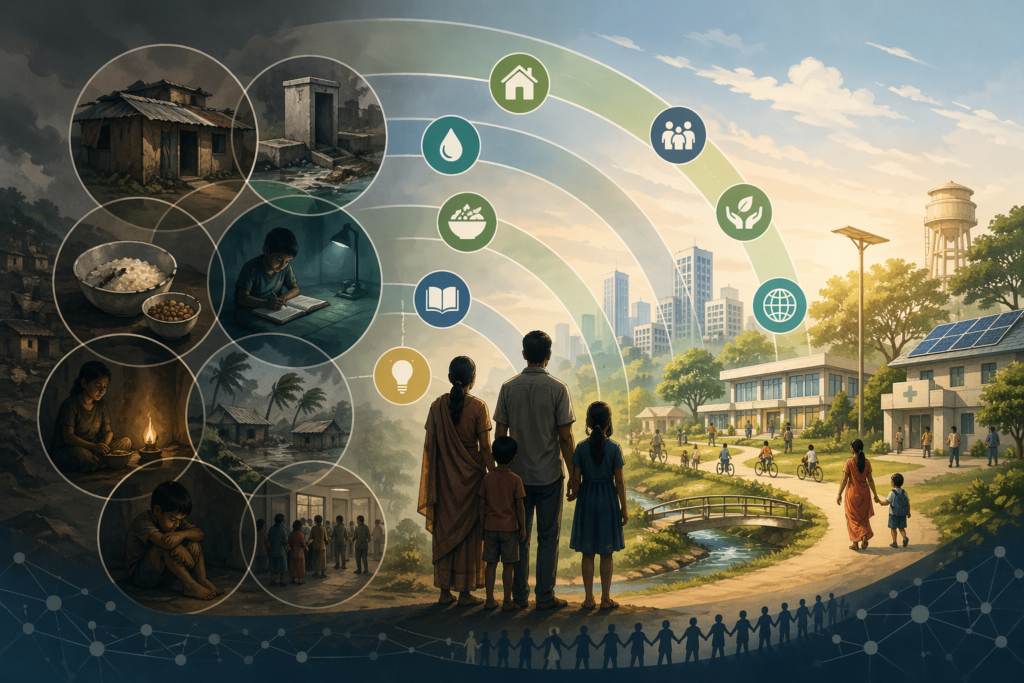
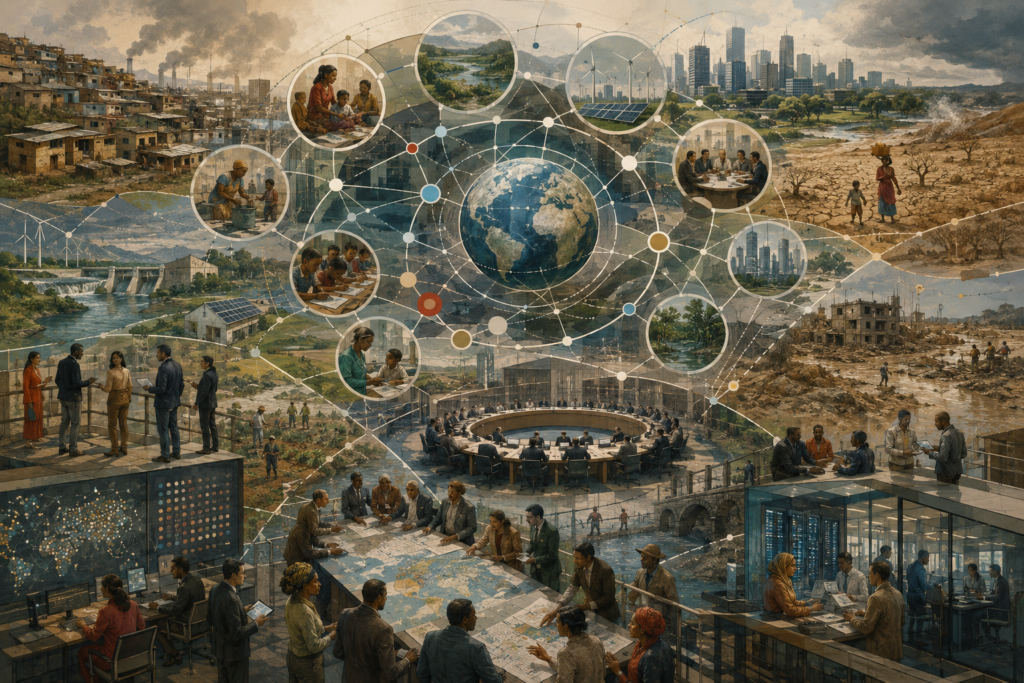
Inequality and Inclusive Development examines why development cannot be judged by growth or average progress alone when access to health, education, income security, public goods, and institutional voice remains distributed unequally. The article argues that inequality is not only a matter of uneven outcomes, but a structural problem of unequal capability formation, unequal exposure to risk, and unequal power over the systems that shape life chances. It explores opportunity, public institutions, human development, social cohesion, and inequality within and among countries, showing how development can appear successful in the aggregate while remaining exclusionary in substance. The core claim is that sustainable development requires more than raising averages: it requires widening the real terms of participation, protection, mobility, and human possibility so that development is broadly shared rather than concentrated among the already advantaged.