
Deep learning for biodiversity is emerging as one of the most powerful analytical tools in modern conservation.
Biodiversity loss is accelerating across ecosystems worldwide. Species extinction rates are rising, habitat fragmentation is increasing, and ecological resilience is weakening.
At the same time, deep learning has advanced rapidly — enabling powerful image recognition, pattern detection, anomaly identification, and predictive modeling.
The question is no longer whether AI can analyze biodiversity data.
The question is how responsibly deep learning for biodiversity is deployed within conservation systems.
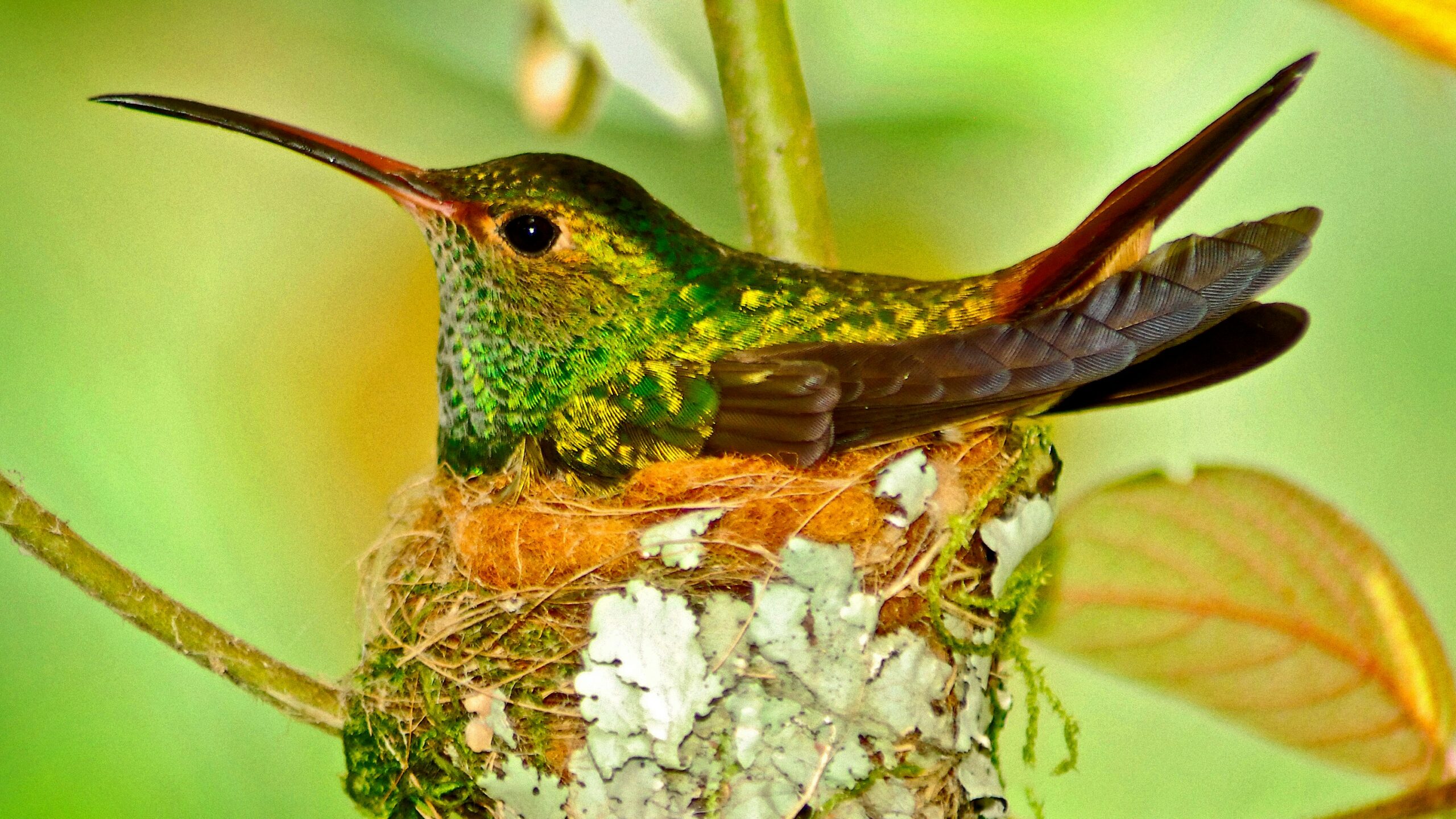
The Biodiversity Crisis Is a Data Problem — and a Governance Problem
Biodiversity protection requires understanding:
- Species distribution patterns
- Migration routes
- Habitat degradation
- Climate interactions
- Illegal activity such as poaching
Traditional monitoring methods rely on manual surveys, satellite analysis, and fragmented reporting.
Deep learning for biodiversity enables large-scale, automated pattern recognition across:
- Camera trap images
- Satellite imagery
- Acoustic recordings
- Drone footage
- Environmental sensor data
But technological capability alone does not guarantee ecological protection.
How Deep Learning for Biodiversity Is Used in Monitoring
1. Image Classification and Species Identification
Convolutional neural networks (CNNs) can classify species from camera trap images with increasing accuracy.
This allows researchers to process millions of images that would otherwise take years to review manually.
- Population monitoring
- Endangered species detection
- Migration tracking
- Habitat occupancy modeling
2. Satellite-Based Habitat Analysis
Deep learning models can analyze satellite imagery to detect:
- Deforestation patterns
- Wetland degradation
- Coral bleaching
- Land-use changes
These models can identify early warning signs of ecosystem stress. For example, satellite-driven habitat analysis supports research initiatives documented by the Intergovernmental Science-Policy Platform on Biodiversity and Ecosystem Services (IPBES).
3. Acoustic Monitoring
Neural networks can process sound recordings from forests and oceans to identify:
- Bird calls
- Marine mammal communication
- Illegal logging activity
- Changes in ecosystem health
Acoustic biodiversity indices are becoming increasingly valuable indicators of ecological stability.
4. Predictive Modeling of Species Risk
Deep learning models can combine:
- Climate projections
- Habitat fragmentation data
- Human development patterns
- Historical population trends
To estimate extinction risk and guide conservation priorities.
The Risk of “AI Optimism” in Biodiversity Conservation
Deep learning can identify patterns.
But it does not make policy.
It does not enforce regulation.
It does not resolve land rights disputes.
It does not guarantee funding.
There are real risks:
- Model bias due to incomplete datasets
- Over-reliance on satellite imagery without ground validation
- Lack of transparency in model assumptions
- Data ownership disputes
- Ethical concerns in surveillance-based monitoring
If conservation decisions rely on opaque models, trust can erode — especially in communities directly affected by policy outcomes.
From Prediction to Preservation: The Governance Layer
Deep learning for biodiversity must operate within accountable systems.
For biodiversity protection, this means:
- Transparent model documentation
- Version control of training datasets
- Reproducible evaluation metrics
- Clear uncertainty reporting
- Publicly accessible impact frameworks
Conservation technology must be auditable.
If a model recommends prioritizing one ecosystem over another, stakeholders should understand why.
If satellite analysis identifies illegal logging, the detection methodology must be defensible.
Without governance, AI becomes persuasive rather than protective.
Integrating Deep Learning for Biodiversity into Sustainable Systems
An effective biodiversity architecture includes:
- Data Collection Layer
Camera traps, drones, satellite imagery, acoustic sensors. - Model Layer
Deep learning for classification, detection, and forecasting. - Validation Layer
Ground-truth verification and ecological expertise. - Governance Layer
Transparency, documentation, and public accountability. - Policy Layer
Regulatory frameworks and funding mechanisms.
Deep learning is one layer in a broader system.
It cannot replace institutional capacity.
It must support it.
Technology Is Not the Solution — Architecture Is
Biodiversity loss is not caused by insufficient computing power.
- Economic incentives
- Regulatory gaps
- Governance failures
- Short-term decision-making
Deep learning can improve visibility.
But visibility without accountability changes little.
The future of biodiversity protection depends on integrating advanced analytics into transparent, well-governed systems designed for long-term ecological resilience.
This aligns with Sustainable Catalyst’s commitment to auditable systems for sustainable strategy, where analytics must support durable governance.
Saving biodiversity is not simply a modeling challenge.
It is a systems challenge.